
April
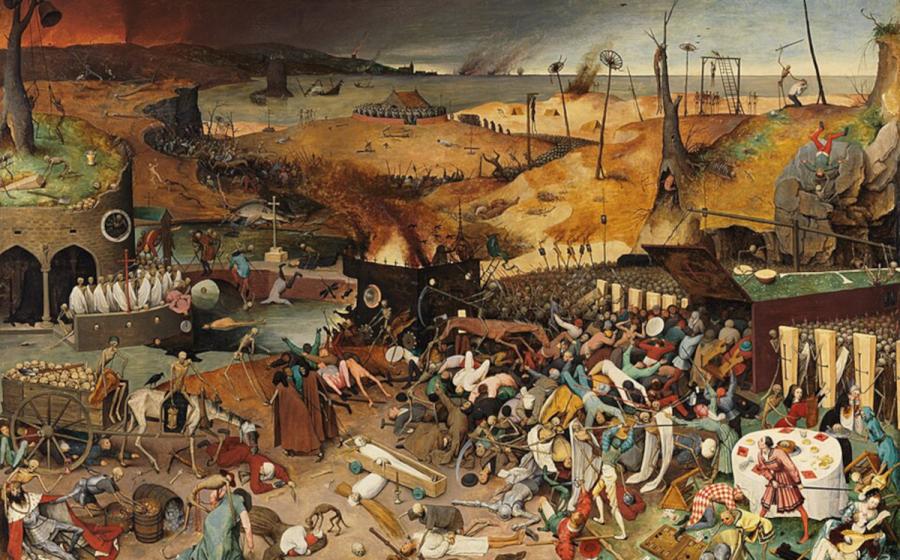
24
/ 2026
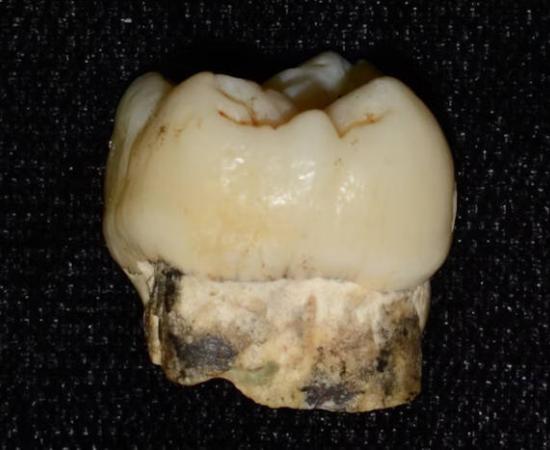
During the devastating plague outbreaks of 17th-century Europe, the disease did not strike equally. A recent bioarchaeological study of plague victims from a hospital cemetery in Basel, Switzerland, has revealed that young, lower-class laborers bore the brunt of the mortality. This research highlights how socioeconomic status, work strain, and access to social networks were critical factors in surviving epidemics, a reality that echoes modern pandemics like COVID-19. The findings, published in the journal Antiquity , stem from excavations beneath Basel’s Stadtcasino, the former site of the Barfüsser monastery’s cloister garden (Kreuzgarten). By the 17th century, the monastery had been converted into a hospital. Archaeologists uncovered more than 260 graves dating to Switzerland's last recorded plague outbreak between 1665 and 1670

.jpg?itok=xk-lwnUj)