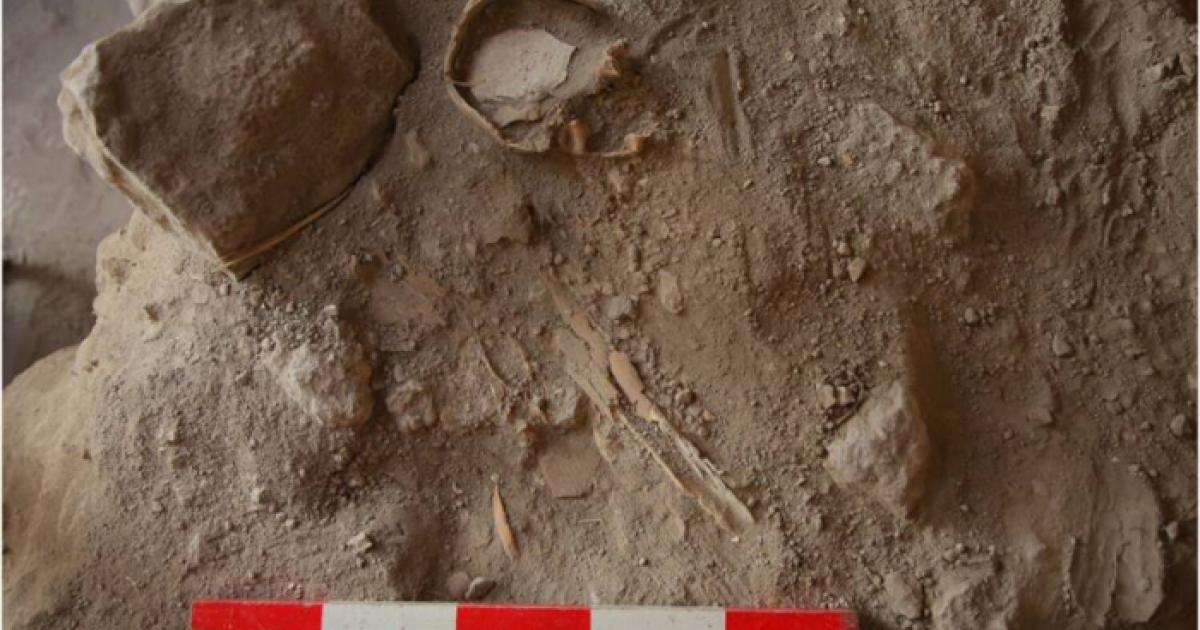

Archaeologists working at Tel Azekah, an ancient site located halfway between Tel Aviv and Jerusalem, have made a heart-wrenching and unprecedented discovery. Deep within a repurposed water cistern, researchers uncovered the jumbled remains of up to 89 individuals, almost all of whom were infants and young children. Dating back 2,500 years to the early Persian period, this mass grave offers a profound glimpse into ancient burial practices, infant mortality, and how early societies understood the concept of personhood.
The haunting find, excavated by the Lautenschläger Azekah Expedition between 2012 and 2014, has finally been detailed in a comprehensive study published in the journal Palestine Exploration Quarterly. The discovery sheds light on an enduring archaeological mystery regarding the absence of young children in burial sites from this era, suggesting that infants who died before being weaned were not granted individual interments.
A Repurposed Cistern for the Youngest
The ancient city of Azekah is perhaps best known for its biblical association with the legendary battle between David and Goliath, which took place in the adjacent Elah Valley. First settled in the Early Bronze Age more than 4,000 years ago, Azekah was a prosperous Canaanite town and later an important fortified city in the Kingdom of Judah. The cistern where the remains were found was originally carved out by the Canaanites to store water and remained in use for centuries.
- Did David Really Kill Goliath? Challenging the Story of the Valley of Elah
- Center of Ancient Kingdom of Judah Found in Jerusalem
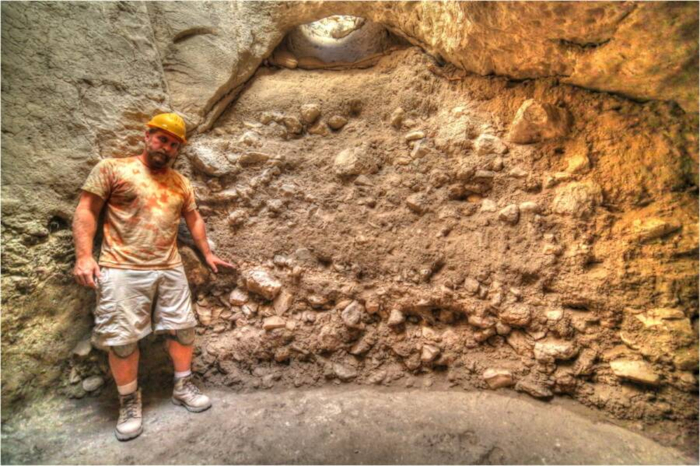
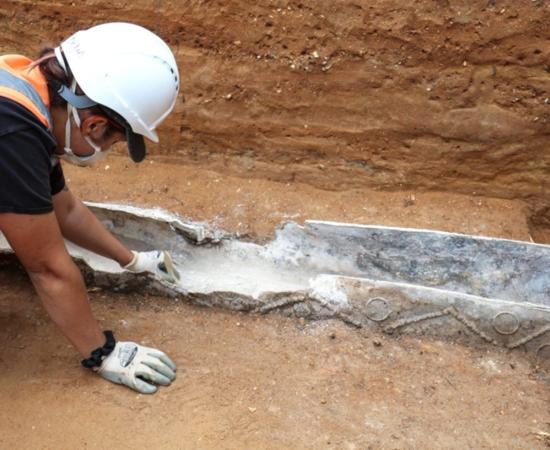
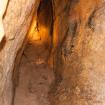
An archaeologist in the lower layer of the cistern. (The Lautenschläger Azekah Expedition)
Archaeological evidence indicates that the cistern went out of use as a water reservoir around the 6th century BC, following the Babylonian conquest of Judah. When Azekah fell under Persian rule in the 5th century BC, the dry cistern was repurposed for a solemn new function. At the bottom of the pit, archaeologists discovered the skeletal remains of at least 68, and possibly up to 89, individuals.
Osteological analysis revealed a striking demographic profile: approximately 90 percent of the individuals were under the age of five, and more than 70 percent were under the age of two. Only a few teenagers or adults were identified among the remains. The bodies were largely found in their original positions, indicating that this was a primary burial site rather than a repository for bones moved from elsewhere.
Weaning as a Rite of Passage
Initially, the discovery of such a large number of children in a single location might suggest a catastrophic event, such as a plague, famine, or massacre. However, researchers found no evidence of trauma, burning, or cuts on the bones, ruling out violence, ritual sacrifice, or infanticide. Furthermore, the varied ages and the stratigraphic layers suggest the cistern was used over a long period, likely several decades.
The research team, led by Oded Lipschits of Tel Aviv University, proposed a poignant theory to explain the mass grave. They suggest that the cistern served as a designated burial space for infants who had not yet been weaned from breastfeeding. In a time when infant mortality was tragically high, these children may not have achieved full social status.
"The findings indicate that before this crucial stage in life, a human seems not to have yet achieved an independent existence, earning the honor of a separate burial," the researchers explained in their study. "In our opinion, this was an accepted way during this period… to bury young children and infants who were still breastfeeding, many of whom did not survive this early stage of their lives."
- The Chilling Ancient Practice of Infanticide Was Once Widespread
- Challenges of Infant Mortality in Ancient Egypt
This interpretation provides a rare glimpse into how ancient societies viewed infancy and personhood. It implies that a child's integration into the community and their recognition as a distinct individual may have been tied to surviving the perilous early years and successfully transitioning to solid food.
Modest Offerings for Short Lives
While the infants were not given individual graves, they were not discarded without care. The excavations revealed that the children were buried alongside simple grave goods. The archaeologists uncovered modestly made pottery jars, stone and mortar hammers, and small pieces of jewelry, including beads, copper earrings, and rings.
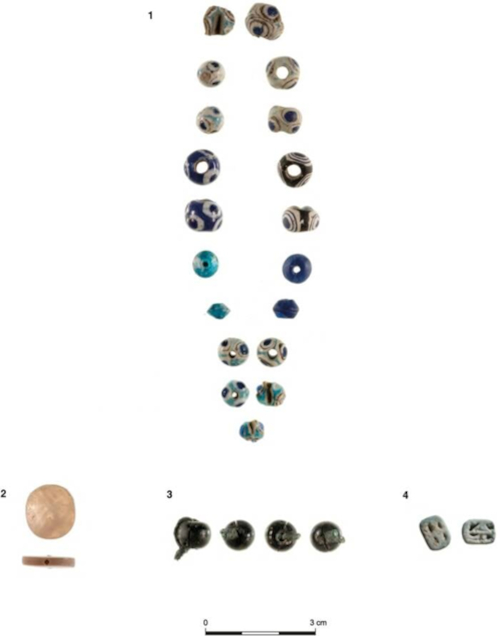
A collection of beads, possible funerary offerings, which were found in the cistern alongside the human remains. (The Lautenschläger Azekah Expedition)
These findings contrast sharply with adult burials from the Persian period in the Southern Levant, which were typically individual interments in pit graves or cist tombs. The mass burial at Tel Azekah fills a significant gap in the archaeological record, known as a "black hole" for the Persian era, and helps explain why so few infant remains are found in standard cemeteries of the time. A similar phenomenon has been documented elsewhere in the ancient world - the island of Astypalaia in Greece, for instance, hosted a child cemetery of comparable date that exclusively contained infant burials.
The emotional weight of the discovery was not lost on the researchers. Professor Lipschits admitted that the gut-wrenching nature of finding dozens of dead infants made the site difficult to study.
"For several years, I didn't touch it. It was a scary topic," Lipschits told Haaretz. "My own children were young at the time, so it was not easy."
The bones were eventually transferred to the anthropology laboratory at Tel Aviv University, where the team began the painstaking process of making sense of the find. Tel Azekah itself has continued to yield remarkable archaeological discoveries, including a 3,800-year-old Canaanite amulet uncovered by a three-year-old child in 2025.
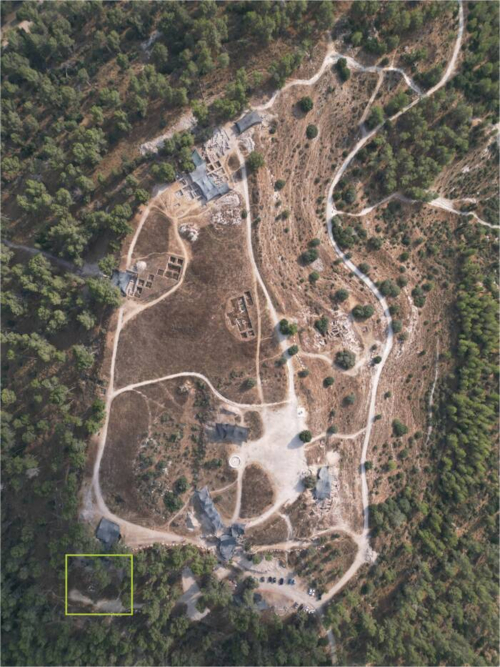
An aerial view of Azekah. The square at the bottom left of the frame marks where the cistern burials were discovered. (The Lautenschläger Azekah Expedition)
Today, the meticulous work of the Lautenschläger Azekah Expedition has transformed this unsettling discovery into a profound testament to the everyday realities, social norms, and quiet grief of a community that lived 2,500 years ago.
Top image: The upper half of one of the dozens of children’s skeletons found in the cistern in Azekah. Source: The Lautenschläger Azekah Expedition
By Gary Manners
References
Archaeology Wiki. 2026. Mass Child Burial Detailed in New Publication. Available at: https://www.archaeology.wiki/blog/2026/04/01/mass-child-burial-detailed-in-new-publication/
David, A. 2026. Archaeologists Find 2,500-year-old Mass Grave of Infants in Israel. Haaretz. Available at: https://www.haaretz.com/archaeology/2026-03-28/ty-article/archaeologists-find-2-500-year-old-mass-grave-of-infants-in-israel/0000019d-3452-d774-afdd-bcd605f90000
Fraga, K. 2026. Ancient Mass Grave Filled With Up To 89 Children Found In Israel. All That's Interesting. Available at: https://allthatsinteresting.com/israel-azekah-ancient-mass-grave
Jerusalem Post. 2026. Ancient infant mass grave discovered in Tel Azekah water cistern. Available at: https://www.jpost.com/archaeology/article-891565
Lipschits, O. et al. 2026. A mass grave of young children and infants from the Persian period in Tel Azekah and its importance for the understanding of burial practices of unweaned infants. Palestine Exploration Quarterly. Taylor & Francis. Available at: https://www.tandfonline.com/doi/full/10.1080/00310328.2025.2589646