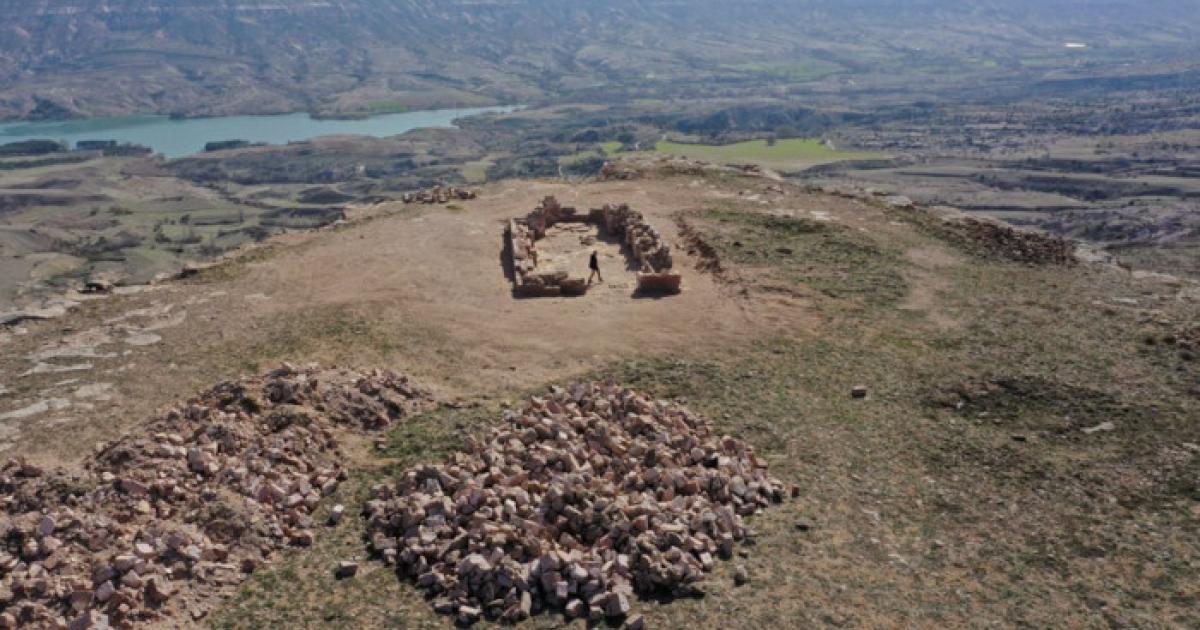

A massive 93-room rock-cut complex has been uncovered at the summit of Meryem Ana Mountain in the heart of Turkey's Cappadocia region, revealing a layered sacred history that spans thousands of years. Located in the Ürgüp district of Nevşehir, the 1,603-meter (5,259-foot) peak, known locally as "Golgoli" and historically as "Apsili Panaya", was a revered site for multiple civilizations, from ancient Persians and Romans to Byzantine Christians and Ottomans. According to Anatolian Archaeology, the site is now being restored and opened to the public for the first time.
The site, situated between the villages of Ayvalı and Cemil near the Damsa Dam, features a central structure believed to be a place of worship, surrounded by dozens of interconnected chambers carved directly into the volcanic rock. At the foot of the mountain, archaeologists have identified the remains of a settlement that once housed approximately 200 families. The discovery adds a remarkable new chapter to the enduring spiritual significance of the Cappadocia rock houses and underground cities, which served as refuges and religious centers across the centuries.
A Multi-Layered Sanctuary of Light and Faith
Meryem Ana Mountain's religious history is remarkably deep. Some researchers suggest it may have originally been an Assyrian trade center, but its spiritual prominence truly began during the Persian period when it served as a sanctuary dedicated to Mithras, the ancient deity of covenants and light. The cult of Mithras frequently used natural caves and rock-cut temples for their secretive rites, making this high-altitude, panoramic peak an ideal setting for such mysteries.
The mountain's geography also appears to have been deliberately chosen for its celestial alignments. From the summit, the sunrise can be observed emerging behind Mount Erciyes, while the sunset descends behind Mount Hasan. This solar orientation would have carried deep significance for Mithraic rituals and later Christian observances alike, echoing the profound connection between landscape and the divine that defines Cappadocia.
- The Thousand-Year History of the Spectacular Cliff Face Monastery of Sumela
- How Mithraism Influenced Christianity
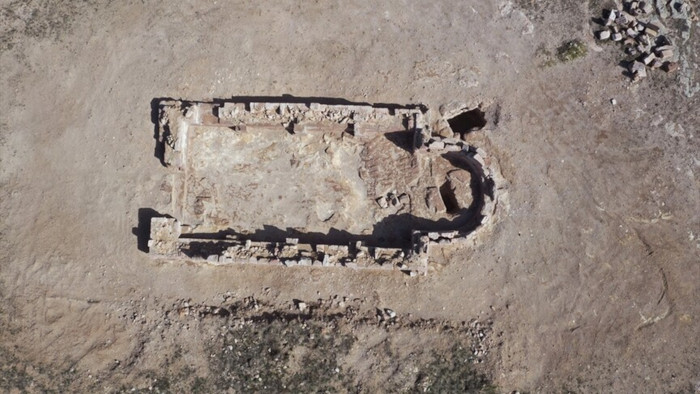
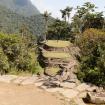
Aerial view of the rock-cut chambers at Meryem Ana Mountain (Anatolian Archaeology / CC)
During the Roman period, as Christianity spread through Anatolia, the Mithraic sanctuary was converted into a church. It continued to flourish during the Byzantine era, becoming part of the region's wider network of underground cities and monastic communities. Even during the Ottoman period, the site retained its sacred character. Every year on September 8th—the traditional feast day of the Nativity of the Virgin Mary—locals from across Cappadocia would gather at the mountain, staying in the rock-carved rooms for days of celebration and communal worship.
Honeymoons, Pilgrimages, and a New Culture Route
The site also held a uniquely intimate tradition in more recent memory. According to Levent Ak, Director of the Cappadocia Tourism Region Infrastructure Services Union (KAPHİB):
"Looking at sources from the last population exchange period, newly married couples would spend their honeymoon every year in the church and the accommodation rooms on Meryem Ana Mountain."
This romantic and spiritual custom underscores the deep bond the local population maintained with the mountain long after its ancient religious heyday.
Today, Meryem Ana Mountain is being integrated into the new Cappadocia Culture Route. This ambitious project, supported by the Konya Plain Project Regional Development Administration and the Ahiler Development Agency (AHIKA ), aims to create an 80-kilometer (50-mile) trail from Avanos to the Sobesos Ancient City in Şahinefendi village—comparable in scope to the famous Lycian Way in Antalya. The route will connect monasteries, historical sites, and villages, bringing the full sweep of Cappadocian civilizations to a wider audience, much as excavations have done for Mithraism's hidden temples elsewhere in Turkey.
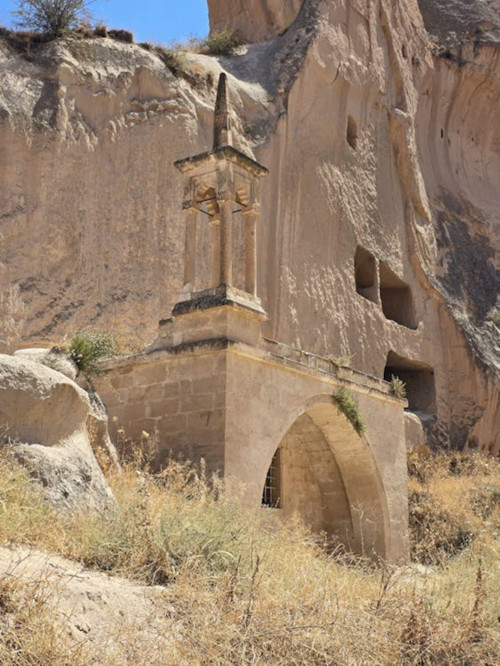
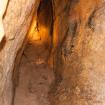
Ancient rock-cut church facade in Cappadocia (Zak H / Pexels)
A New Destination on the Horizon
Ak has expressed confidence that the restored mountain complex could become a major cultural destination.
"It will allow a new destination, like Mount Nemrut, to emerge and help increase the number of overnight stays in Cappadocia, because it is truly a historical and cultural heritage that has not yet been discovered," he told Daily Sabah.
The panoramic views and the site's extraordinary multi-faith history give it a rare quality that few places in the world can match, offering visitors a journey through time from the age of Assyrian traders to Byzantine pilgrims, all within a single summit. Like the enigmatic Uçhisar Castle and the subterranean wonders of the region, Meryem Ana Mountain stands as a testament to the remarkable human impulse to carve meaning and community from living rock.
Top image: Aerial view of Meryem Ana Mountain (Golgoli) in Cappadocia, Turkey Source: Daily Sabah/AA
By Gary Manners
References
Daily Sabah with AA. 2026. Meryem Ana Mountain joins Cappadocia tourism route. Daily Sabah. Available at: https://www.dailysabah.com/life/meryem-ana-mountain-joins-cappadocia-tourism-route/news
Ramirez, D. 2026. Meryem Ana Mountain in Cappadocia Reveals 93-Room Rock-Cut Complex, Ancient Sacred Site. Anatolian Archaeology. Available at: https://www.anatolianarchaeology.net/meryem-ana-mountain-in-cappadocia-reveals-93-room-rock-cut-complex-ancient-sacred-site/