
April
22
/ 2026
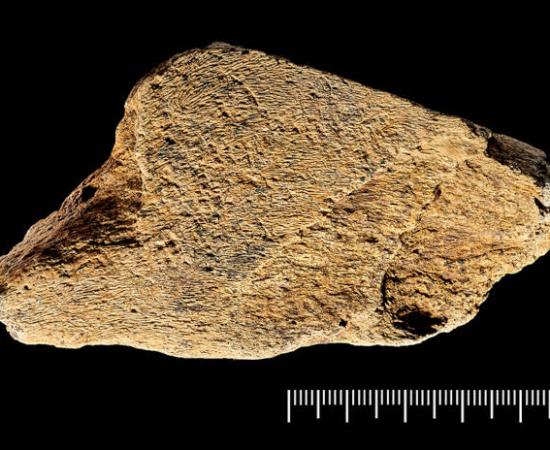
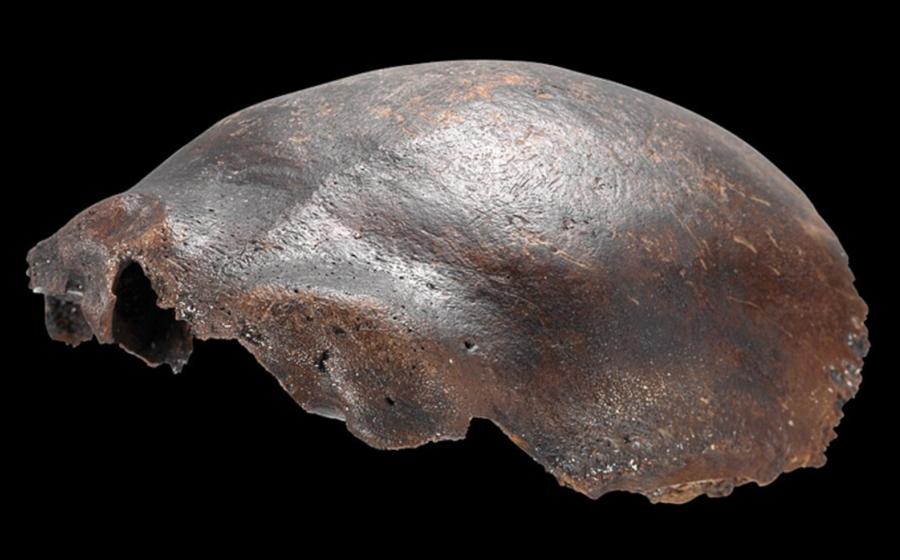
A skull fragment discovered over fifty years ago on the banks of the Elbe River in Germany has finally yielded its secrets. Long considered by some researchers to be a rare Neanderthal-modern human hybrid, the Hahnöfersand frontal bone has been definitively identified as belonging to a robust Homo sapiens from the Mesolithic period. This new finding, based on advanced three-dimensional morphological analysis, puts to rest decades of speculation about the true nature of this enigmatic fossil and highlights the challenges of identifying isolated human remains. The Hahnöfersand frontal bone was unearthed in March 1973 during dyke construction near the German town of Hahnöfersand. Because it was found without a secure archaeological context, its initial assessment relied heavily on visual examination