


A new study presented to the Royal Society meeting on ancient DNA in London last week has revealed a dramatic finding – the genome of one of our ancient ancestors, the Denisovans, contains a segment of DNA that seems to have come from another species that is currently unknown to science. The discovery suggests that there was rampant interbreeding between ancient human species in Europe and Asia more than 30,000 years ago. But, far more significant was the finding that they also mated with a mystery species from Asia – one that is neither human nor Neanderthal.
Scientists launched into a flurry of discussion and debate upon hearing the study results and immediately began speculating about what this unknown species could be. Some have suggested that a group may have branched off to Asia from the Homo heidelbernensis, who resided in Africa about half a million years ago. They are believed to be the ancestors of Europe's Neanderthals.
However others, such as Chris Stringer, a paleoanthropologist at the London Natural History Museum, admitted that they “don’t have the faintest idea” what the mystery species could be.
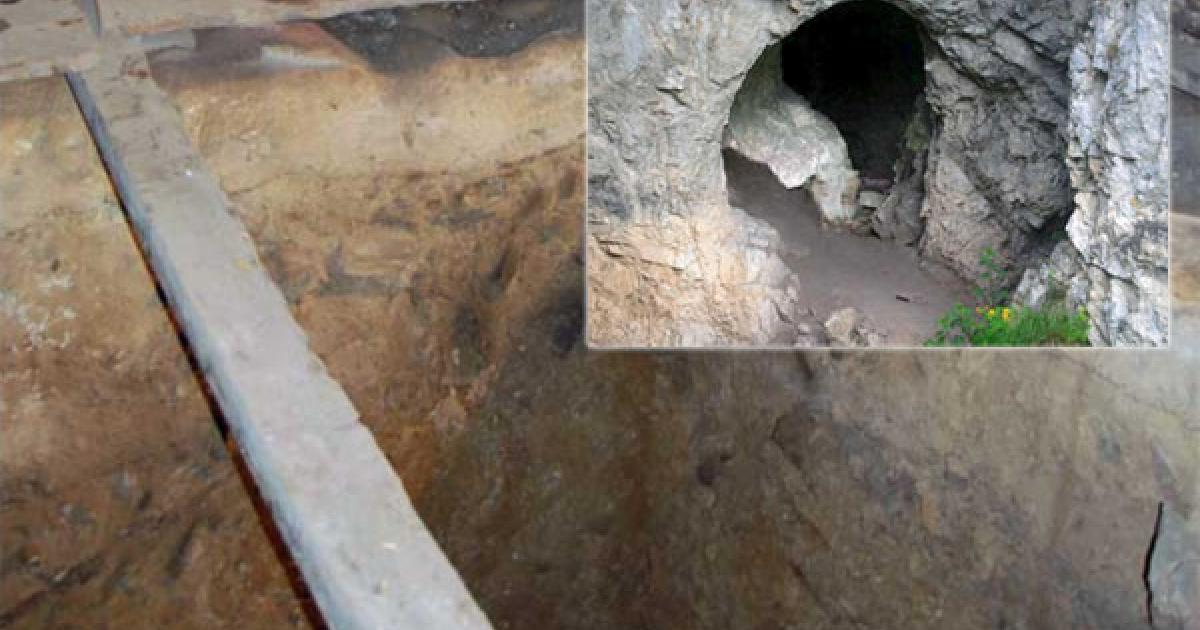
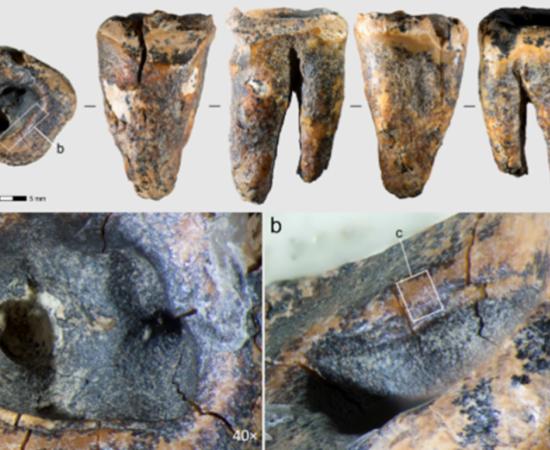
Traces of the unknown new genome were detected in two teeth and a finger bone of a Denisovan, which was discovered in a Siberian cave. There is not much data available about the appearance of Denisovans due to lack of their fossils' availability, but the geneticists and researchers succeeded in arranging their entire genome very precisely.
"What it begins to suggest is that we're looking at a 'Lord of the Rings'-type world - that there were many hominid populations," Mark Thomas, an evolutionary geneticist at University College London.
The question is now: who were these mystery people that the Denisovans were breeding with?






Comments
"However others, such as
Permalink
"However others, such as Chris Stringer, a paleoanthropologist at the London Natural History Museum, admitted that they “don’t have the faintest idea” what the mystery species could be."
Complementing Nicholas Hutter's comment, we might be the result of the crossbred between Neanderthals and various extraterrestrials. Now, where it took place is the question.. In my opinion,Neanderthals were taken to each type of Et's planet of origin and there, modern men were born as a result of their experimentation and brought back to better adapt to earth's conditions. That's why we don't find any trace of their ( extraterrestrials ) existence in any place here on earth except for ancient ruins as pyramids,Nasca lines,Machu Pichu,etc...
"However others, such as
Permalink
"However others, such as Chris Stringer, a paleoanthropologist at the London Natural History Museum, admitted that they “don’t have the faintest idea” what the mystery species could be."
Complementing Nicholas Hutter's comment, we might be the result of the crossbred between Neanderthals and various extraterrestrials. Now, where it took place is the question.. In my opinion,Neanderthals were taken to each type of Et's planet of origin and there, modern men were born as a result of their experimentation and brought back to better adapt to earth's conditions. That's why we don't find any trace of their ( extraterrestrials ) existence in any place here on earth except for ancient ruins as pyramids,Nasca lines,Machu Pichu,etc...
Grammar School
Permalink
Gramma School.
Gramma says “So you think you are the Messiah”
Or did she say “So you think: you are the Messiah”
Depends how Ancient is your Origin!
ancient civilizations breeding with unknown
Permalink
something as awesome as this and Im getting a English lesson in the comments...
key point is "If one is to
Permalink
In reply to If one is to believe the by frohky (not verified)
key point is "If one is to believe the research of Dr. Zechariah Sitchin"
and his research is flimsy at best in terms of evidence. most of it is based on hypothesis and guesswork and incorrect translation of the sumerian.